


Three Worlds. One Country. Infinite Depth.
Bolivia cannot be reduced to a single image. It is three radically different territories, each requiring a different way of traveling — and a different level of knowledge to navigate with precision.
The Andes
Mountain expeditions, endurance-based experiences, and high-altitude adaptation are approached with intention.
At the same time, luxury travel in the Bolivian Andes extends across a range of environments that go far beyond a single destination.
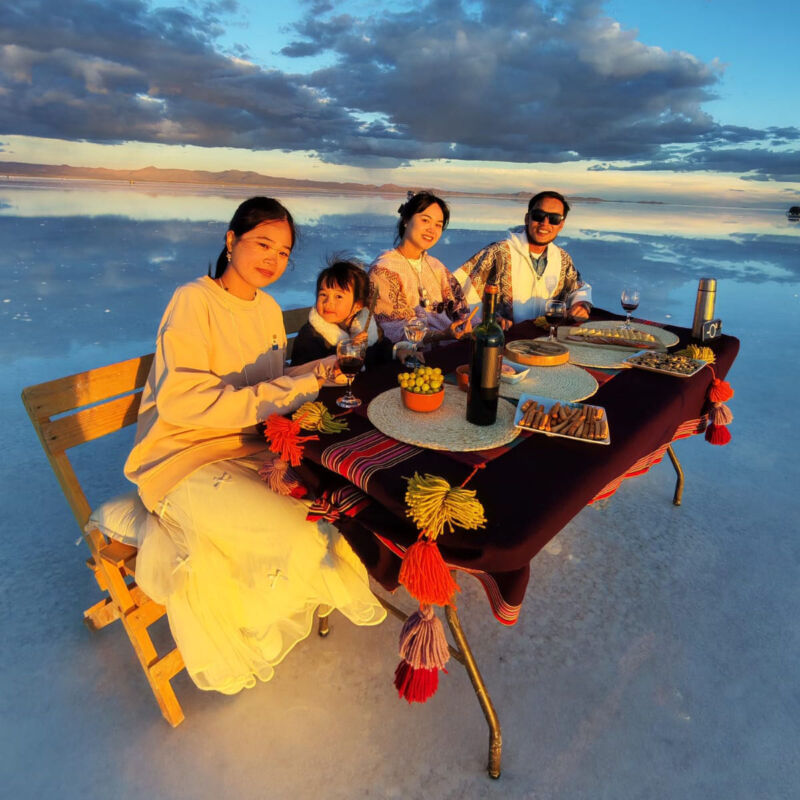
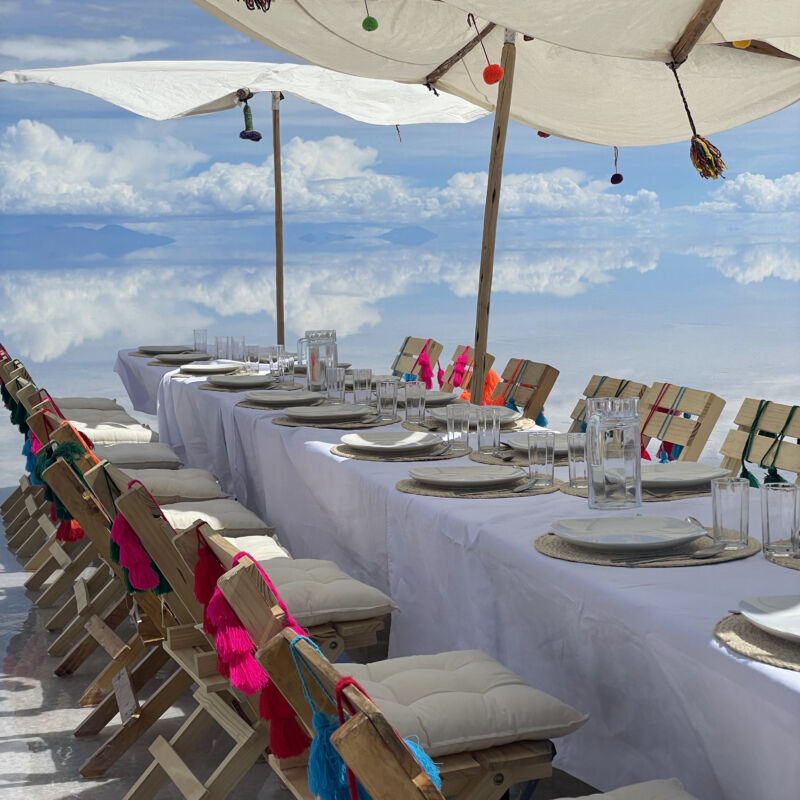
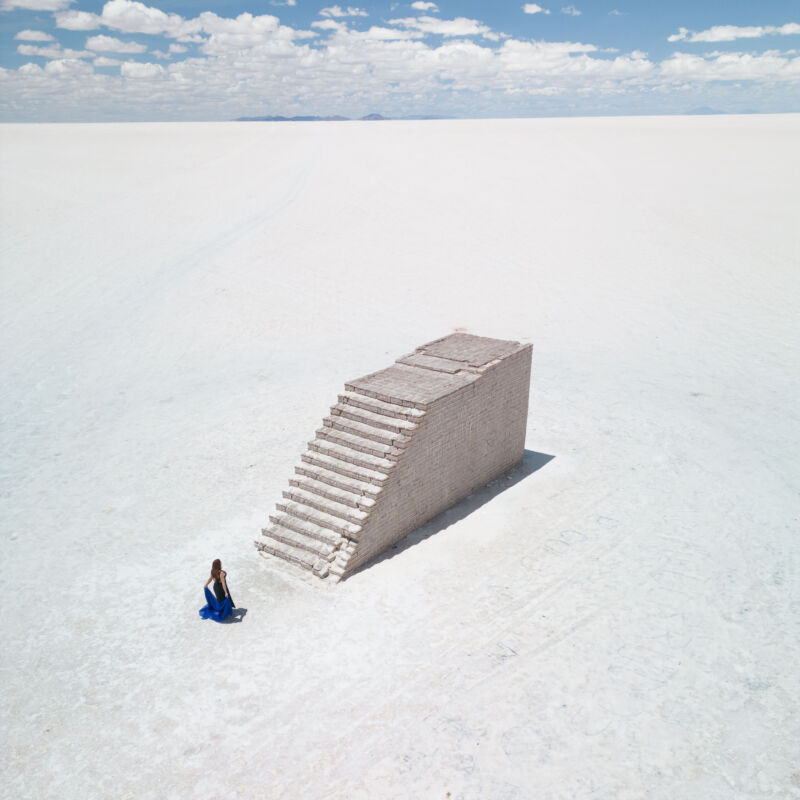
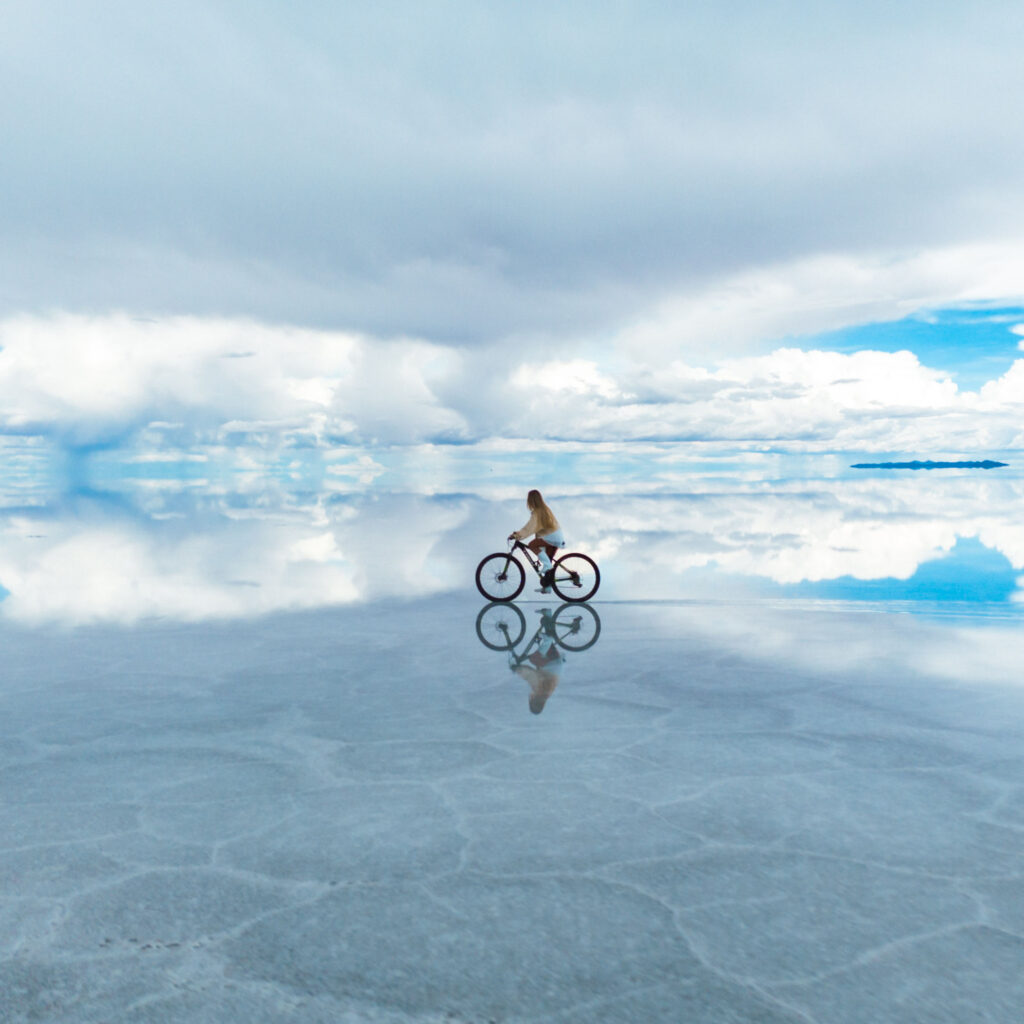
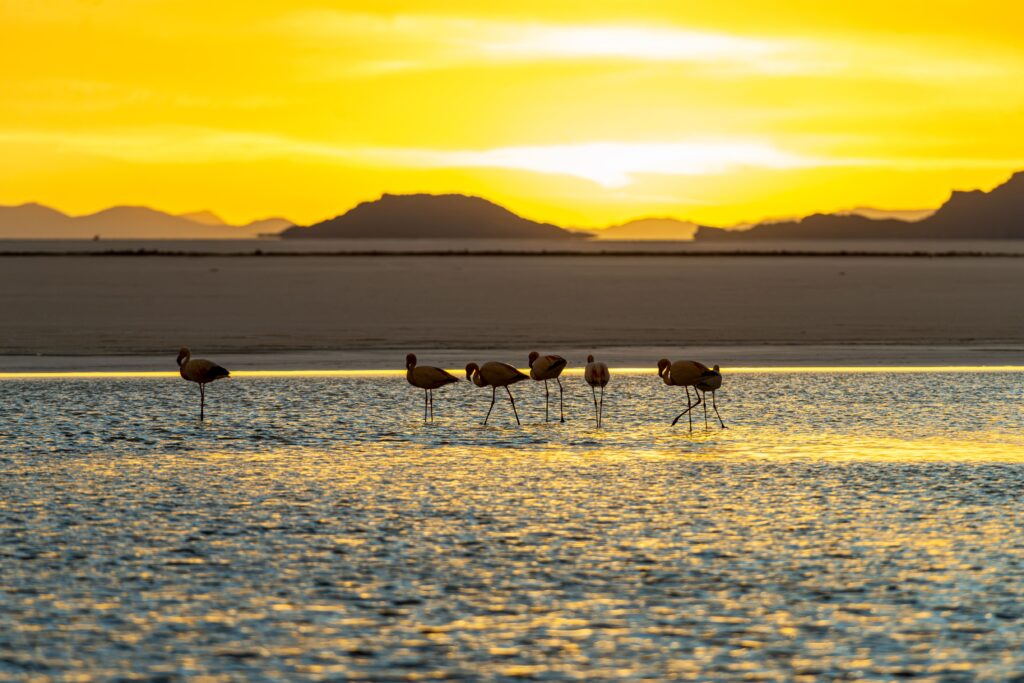
The Salar de Uyuni remains one of the most extraordinary landscapes on earth, but it exists within a broader high-altitude system that includes the Eduardo Avaroa Reserve with Laguna Verde, Laguna Colorada, the Siloli Desert, and geothermal fields as well as Lake Titicaca and the islands of the Sun and the Moon, where cultural origin and living traditions remain present.
Further north, the Andes unfold through Sajama National Park, the Cordillera Real, and Tiwanaku, where landscape, history, and altitude intersect.
Within this context, experiences are not isolated.
They are connected.
Walking across high-altitude terrain.
Observing changing light across salt, water, and desert landscapes.
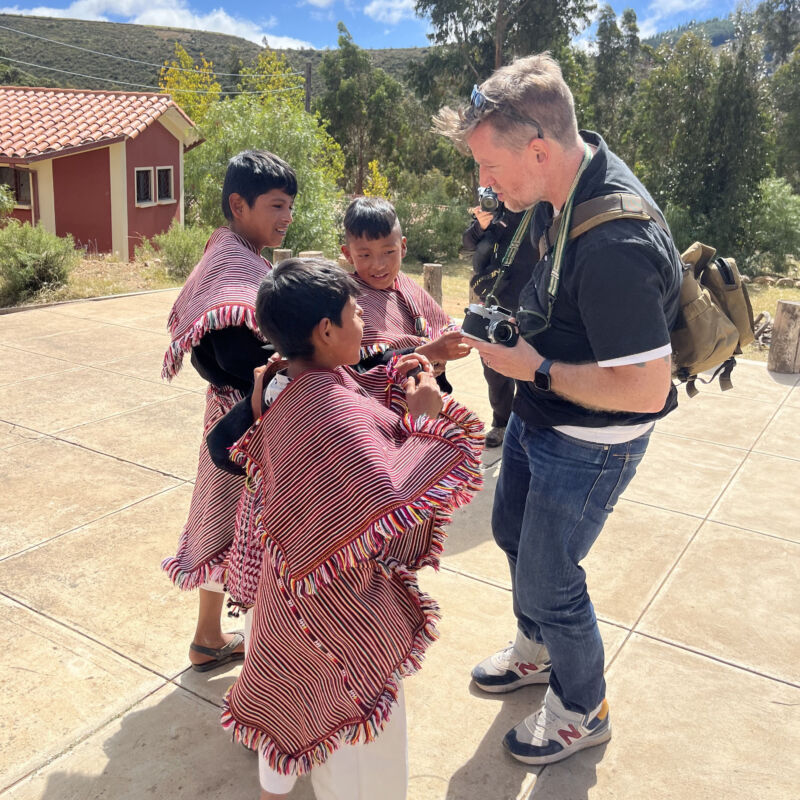
Engaging with local communities through fishing traditions and cultural exchange.
These are not activities in themselves.
They are part of a wider understanding of the Andes as a living territory.
Movement becomes awareness.
Silence becomes part of recovery.
And each place gains meaning through how it is approached.
This is where high-end travel in Bolivia moves beyond destination and becomes a way of experiencing scale, culture, and altitude as a single, integrated system.
The Amazon
The Amazon is not approached as a destination.
It is understood as a living system.
Within this context, luxury travel in the Bolivian Amazon moves away from conventional wildlife experiences and mass observation routes.
Madidi National Park and the upper Amazon basin remain among the most biodiverse regions on the planet, yet access to these environments requires control, timing, and restraint.
This is not about seeing more.
It is about seeing differently.
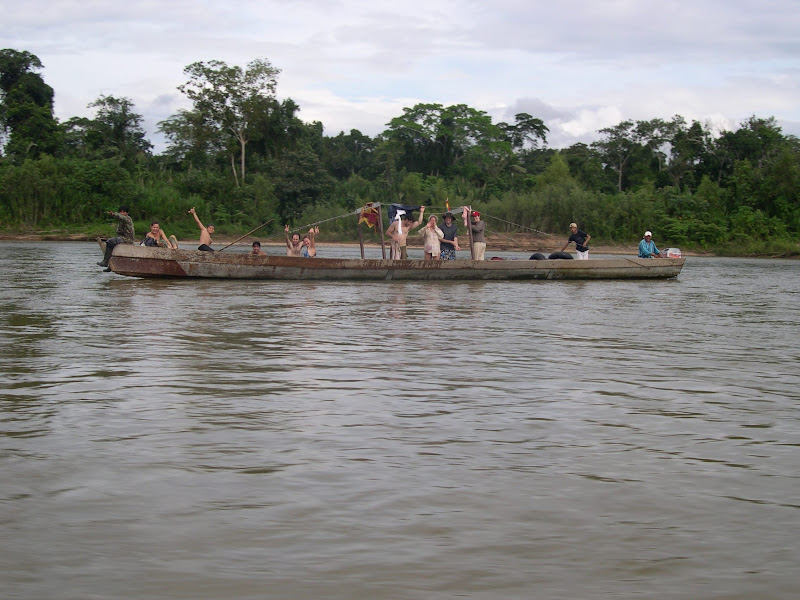
Navigating river systems.
Observing wildlife within its natural rhythm.
Understanding biodiversity through context, not accumulation.
Experiences are shaped around ecosystems, not itineraries.
We do not operate where traffic defines the experience.
We work in areas where presence is limited, where ecosystems remain fragile, and where access is granted through long-term relationships with local communities.
Encounters are not staged.
They emerge through knowledge, patience, and respect.
This defines a form of exclusive travel in Bolivia where the value lies not in visibility, but in access that remains intentionally restricted.
The Valleys
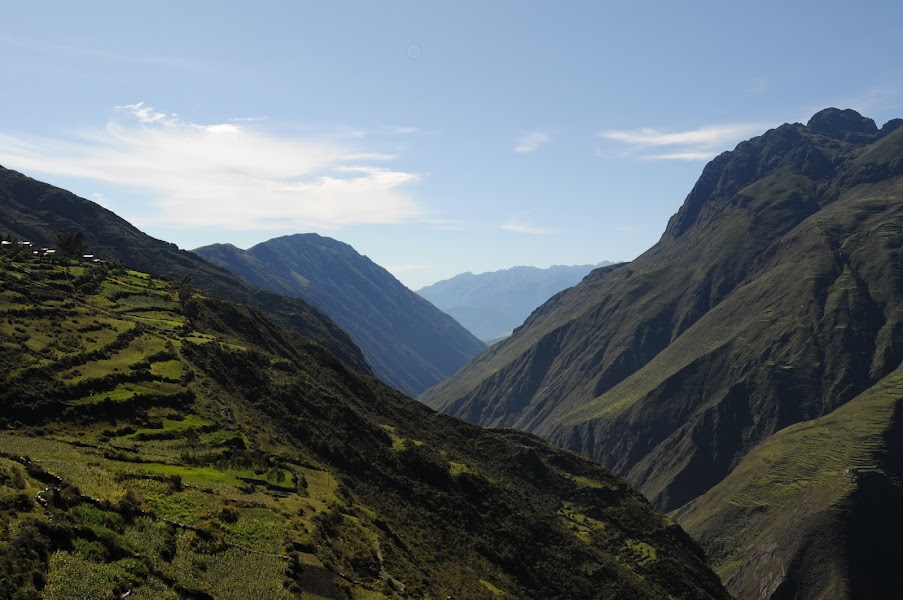
In the valleys, Bolivia shifts from scale to continuity.
This is a region shaped by production, culture, and time.
Southern Bolivia including Tarija and Los Cintis represents one of the highest-altitude wine regions in the world, where vineyards coexist with agricultural traditions that have been preserved over generations.
Within this context, private travel in Bolivia is not centered on visits, but on understanding processes.
Wine is not limited to tastings.
It is approached through territory, altitude, and production cycles.
Agrotourism is not presented as an activity.
It is experienced through participation cultivation, harvesting, and local knowledge systems that define daily life.
Beyond production, the valleys open into condor territories and cultural landscapes where biodiversity and human presence coexist.
The observation of condors, the interaction with textile traditions, and the immersion in local communities are not isolated experiences.
They are part of a broader system.
Here, luxury is not constructed through separation.
It is defined through proximity to land, to people, and to ways of life that continue to evolve without interruption.